Reverse Engineering of an Automotive Engine Control Unit
Defensive full-stack analysis of an engine ECU, from hardware interfacing to line-by-line binary analysis and logic understanding.
Project Overview
The engine control unit (ECU) is the central brain of modern vehicles. This project is a defensive security and functional assessment of such a controller, performed on a bench unit as research and development through lawful, authorised corporate and personal processes. By analyzing the firmware, I studied the logic behind its safety systems, diagnostic protocols, and security handshakes in order to understand how they work and where they could be strengthened. No keys, algorithms, firmware images or exploit code are published on this page.
Hardware Context
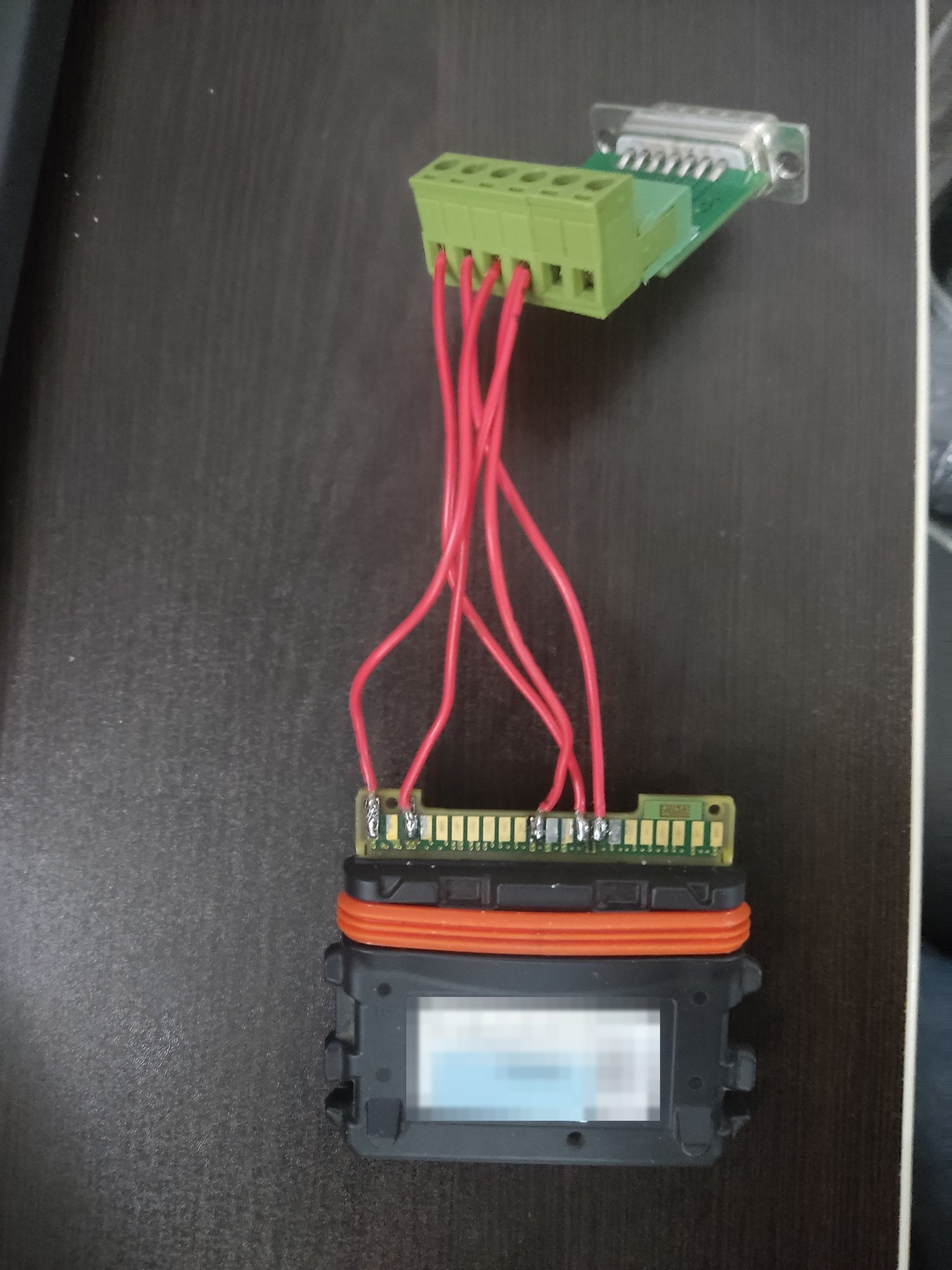
The research began with the physical ECU hardware. Establishing a stable bench connection was essential for acquiring the firmware image for static analysis and monitoring live diagnostic traffic.
Deep Logic Extraction (Line-by-Line Analysis)
Using advanced Disassemblers, the binary artifacts were translated into structured C code. The following core subsystems were identified and analyzed:
1. The Boot & Initialization “Brain” (sub_22D0)
This function serves as the mastermind for ECU startup.
- Clock Configuration: Tuning the system to 80MHz with a high-precision margin (error < 0.33%).
- Protocol Setup: Initializing the CAN network at 500kbps and verifying memory integrity via specific markers like
0xDEADBEEF.
2. Cryptographic Security Access (sub_23D2C)
I performed a line-by-line analysis of the UDS Service 0x27 (SecurityAccess) handler to assess its design.
- Seed-to-Key Transformation: Characterised the general structure of the transformation used by the ECU, in order to judge its strength.
- Design Review: Reviewing the XOR and bit-shifting operations that protect the ECU’s flash memory from unauthorized access, and what a stronger design would look like. Algorithm details are deliberately not published.
3. Fault Management & System Health (sub_2B2C)
Identified as the Fault Manager, this routine acts as the ECU’s internal doctor:
- DTC Generation: Monitoring sensors and incrementing error counters.
- Threshold Logic: Deciding when a transient glitch should be logged as a permanent Diagnostic Trouble Code (DTC).
- Fail-Safe Modes: Activating protective routines (Fault Reactions) to prevent engine damage during sensor failures.
Key Technical Accomplishments
- Binary Analysis: Studied the handling of the
0x2E(WriteData) and0x3D(WriteMemory) services to understand which access checks protect them. - Architecture Mapping: Full understanding of the PowerPC-based execution flow and register settings.
- Security Assessment: Identification of design weaknesses in the Seed/Key exchange, described at a conceptual level only, with hardening recommendations.